In the late stages of dementia, care shifts from supporting independence to providing full-time comprehensive assistance with all daily activities and focusing primarily on comfort. As cognitive and physical abilities decline, caregivers must adapt their daily approach to ensure the senior’s dignity and quality of life are maintained. This phase of care requires immense patience, emotional resilience, and a deep focus on nonverbal communication.
How Do Daily Living Activities Shift?
As the condition progresses, individuals lose the ability to perform basic tasks on their own. Caregivers must take over daily routines entirely to ensure personal hygiene and proper nutrition.
- Assisting with personal grooming and bathing to maintain cleanliness
- Dressing the individual in comfortable, easy-to-wear clothing
- Preparing soft, easy-to-swallow foods and physically helping the senior eat
Seniors living with serious health conditions often need extensive assistance in and outside the home. Home Care Assistance is a trusted provider of Anchorage 24-hour care. Our caregivers are expertly trained to assist seniors with bathing, grooming, eating, and various other daily tasks, and we also offer specialized Alzheimer’s, dementia, stroke, and Parkinson’s care.
What Changes Occur in Communication?
Verbal skills often diminish significantly during late-stage dementia, meaning caregivers must rely on alternative ways to connect. Understanding body language and facial expressions becomes essential for identifying needs, moods, and emotions.
- Using gentle touch and reassuring tones to convey safety
- Paying close attention to eye contact and subtle physical gestures
- Playing familiar music to evoke positive emotional responses
How Can Caregivers Ensure Physical Comfort?
Mobility typically decreases greatly, leading to individuals spending most of their time resting in a bed or chair. Caregivers must prioritize physical comfort to prevent stiffness and skin irritation.
- Changing the person’s resting position regularly throughout the day
- Using supportive cushions, pillows, and soft bedding
- Keeping the room at a warm, comfortable temperature
The type of elder care Anchorage seniors need can vary. Some need assistance a few hours a day, while others require more extensive around-the-clock assistance. At Home Care Assistance, we tailor our care plans based on each senior’s individual care needs, and the plans can be adjusted at any time. We are a trusted provider of respite and 24-hour care, and we also offer specialized Alzheimer’s, dementia, Parkinson’s, and stroke care for seniors.
Why Is Emotional Connection Still Important?
Even when a person can no longer speak or explicitly recognize loved ones, the capacity to feel emotions remains intact. Maintaining a loving, supportive environment can reduce anxiety and bring lasting moments of peace.
- Reading aloud from the senior’s favorite books or stories
- Sitting together in quiet, calming companionship
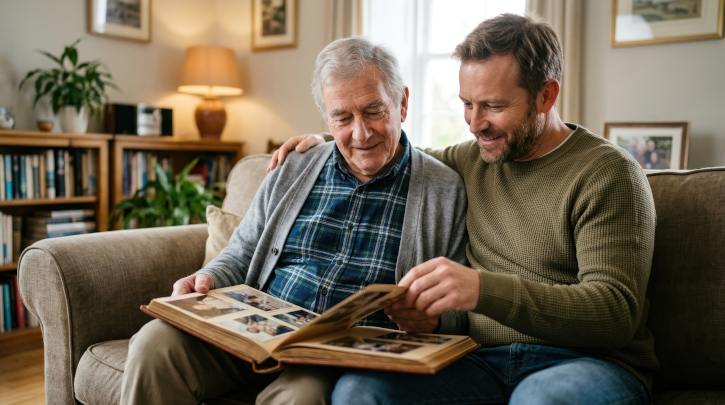
- Looking through old photo albums to share visual memories
A highly trained caregiver with experience in caring for seniors with dementia can be a fantastic resource for family members. Even when families have the best intentions, caring for a senior loved one with dementia can be challenging. Fortunately, Home Care Assistance is here to help. We are a leading provider of top-rated dementia home care in Anchorage and surrounding communities. Families can take advantage of our flexible and customizable care plans, and our caregivers always stay up to date on the latest developments in senior care. We will work with you to create a customized home care plan that’s suited for your loved one’s unique needs. Call the Home Care Assistance team today.
Frequently Asked Questions
How do I know if my loved one is in pain if he or she cannot speak?
+
You can identify pain by observing physical cues like grimacing, restlessness, or sudden changes in breathing patterns. Paying close attention to these nonverbal signals helps you respond quickly to your loved one’s comfort needs.
What types of foods are best for late-stage dementia?
+
Soft, pureed, or liquid-based foods are ideal because swallowing often becomes difficult in the later stages. Offering small frequent meals rather than large plates can also make eating much more manageable.
How can I make the living environment safer?
+
Remove tripping hazards like loose rugs and ensure the home is well lit to prevent accidents. Adding soft padding to sharp furniture edges can also protect your loved one as mobility and balance decrease.
Is it normal for my loved one to sleep most of the day?
+
Yes, it’s very common for individuals in the late stages of dementia to sleep extensively. The brain and body tire easily, so allowing your loved one to rest as much as he or she needs is completely natural and expected.