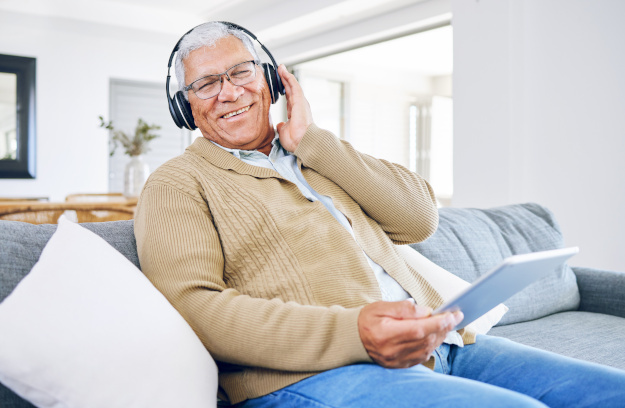
Music therapy in dementia care can help seniors reconnect with memories, reduce agitation and anxiety, enhance communication, elevate mood, and support physical movement. Because musical memory often remains intact longer than other abilities, structured, therapist-guided music interventions can provide emotional comfort, cognitive stimulation, and meaningful social engagement throughout all stages of the disease.
Music often remains accessible to the brain long after other cognitive functions have diminished, serving as a vital link to the past for those experiencing memory loss. For seniors with dementia, professional music therapy provides a pathway to reconnect with loved ones and manage the complex symptoms of the disease.
How Can Music Therapy Reconnect Seniors with Meaningful Past Memories?
One of the most profound effects of music therapy is its ability to trigger memory recall. Even in late-stage dementia, the part of the brain responsible for musical memory often remains relatively undamaged. When seniors hear songs from their youth—particularly from their teens or early twenties—it can unlock deep-seated memories associated with that time.
This phenomenon, often called the “reminiscence bump,” allows dementia patients to recall events, people, and feelings they may have otherwise forgotten. Specific melodies might remind seniors of their wedding days, childhood homes, or favorite holidays. This recall provides a sense of identity and personal history the disease frequently erodes, helping seniors feel more like themselves again.
Listening to music is just one of the many ways older adults can boost their wellbeing. Maintaining a high quality of life can be challenging for some seniors, but professional caregivers can help them attain this goal. Families can trust Anchorage home care experts to help their elderly loved ones focus on lifestyle choices that increase the chances of living longer and healthier lives.
Can Music Therapy Reduce Agitation, Anxiety, and Sundowning Symptoms?
Music therapy can calm distress, reduce agitation, and help caregivers manage sundowning symptoms in dementia. Dementia isn’t just about memory loss. It often brings severe behavioral and psychological symptoms. Seniors frequently experience agitation, aggression, and anxiety, particularly in the late afternoon or evening—a condition known as “sundowning.” Music therapy serves as a powerful nonpharmacological tool to soothe these distress signals.
Slow, rhythmic music can regulate the heart rate and breathing, promoting physical relaxation. By creating a calm auditory environment, therapists can reduce the sensory overload that often triggers outbursts. Instead of relying solely on medication to manage behavior, caregivers can use curated playlists to create a sense of safety and predictability.
How Does Music Support Communication and Social Interaction in Dementia Care?
Music therapy enables nonverbal expression and fosters social interaction even when language abilities decrease. As dementia progresses, verbal communication becomes increasingly difficult. Seniors may have difficulty finding words (aphasia) or lose the ability to speak entirely. However, the ability to process rhythm and melody often outlasts the ability to process language. Music therapy bridges this communication gap.
Through singing, humming, or rhythmic tapping, dementia patients can express themselves nonverbally. This shared experience fosters social connection, reducing the isolation that comes with the disease. In group therapy settings, music encourages participation and interaction:
- Sing-alongs promote eye contact and vocal engagement.
- Playing an instrument allows for call-and-response interaction without words.
- Listening together creates a shared emotional experience between the senior and caregiver.
Can Music Therapy Boost Mood and Emotional Health for Seniors?
Music therapy can elevate mood, reduce depression, and provide consistent emotional comfort. Depression is a common comorbidity with dementia, stemming from the confusion and isolation the condition causes. Engaging with music stimulates the production of dopamine and endorphins, the brain’s “feel-good” chemicals. This chemical reaction can instantly lift a senior’s mood and reduce feelings of apathy.
The emotional response to music is immediate. An upbeat song can stimulate energy and happiness, while a soothing ballad can provide comfort during moments of sadness. By incorporating music into the daily routine, caregivers can stabilize mood swings and provide consistent sources of joy and engagement for the senior.
How Does Rhythm-Based Music Therapy Encourage Safe Physical Movement?
Music naturally invites movement. For dementia patients, sedentary behavior can lead to a decrease in motor skills and muscle atrophy. Music therapy encourages physical activity through rhythmic entrainment—the natural tendency of the body to synchronize with an external beat.
Therapists use rhythm to help dementia patients initiate and maintain movement. This can range from simple actions like clapping hands or tapping toes to more complex activities like dancing or walking. The structure of the rhythm helps the brain plan and execute motor sequences, which can enhance:
- Gait and walking speed
- Balance and coordination
- Upper body range of motion
- Overall physical endurance
Some seniors only require help with a few daily tasks so they can maintain their independence. However, those living with serious illnesses may need more extensive assistance. Luckily, there is professional live-in care Anchorage seniors can rely on. Home can be a safer and more comfortable place for your loved one to live with the help of an expertly trained and dedicated live-in caregiver.
Frequently Asked Questions
How does music benefit individuals with dementia in home care?
Music can evoke memories, reduce anxiety, and boost mood, offering emotional and cognitive benefits for individuals with dementia.
What types of music are most effective for dementia care?
Familiar songs, especially from the senior’s younger years, are often the most effective in sparking positive responses and engagement.
Can caregivers incorporate music into daily routines?
Yes, caregivers can use music during activities like mealtime, relaxation, or exercise to create a calming and enjoyable atmosphere.
How does music therapy differ from simply playing music?
Music therapy is guided by trained professionals and tailored to therapeutic goals, while playing music focuses on general enjoyment and comfort.
Is music helpful in all stages of dementia?
Yes, music can provide comfort and connection at all stages of dementia, even when verbal communication becomes limited.
Aging in place can present a few challenges for seniors living with dementia. However, with the help of professional Anchorage dementia care, older adults can still live independently at home. Families can rely on Home Care Assistance to provide their elderly loved ones with mental and social stimulation, timely medication reminders, assistance with meal prep, and much more. Our caregivers are available around the clock to help your loved one live a happier and healthier life. Call us today to talk to one of our compassionate Care Managers about our high-quality home care services.